
If every label in your business looked identical, life would be simple — and your operation would grind to a halt. Sequential barcodes, unique batch codes, personalised addresses, serial numbers: modern supply chains depend on labels that change from one item to the next, without ever slowing down the press. That’s what variable data printing is for.
Quick Answer
Variable data printing (VDP) is a print process where content — text, barcodes, QR codes, images, or serial numbers — changes on every label within a single production run, while the rest of the design stays fixed. It’s used wherever labels need unique, traceable information at speed: batch coding, serialisation, sequential barcoding, and personalised fulfilment labels. Unlike static label printing, no manual changeover is needed between labels, because the variable data is built into the print run itself. At Scanman UK, this is handled as a complete service — you send us the data, we design, print, verify, and dispatch the finished labels. There’s no printer to buy, install, or maintain.
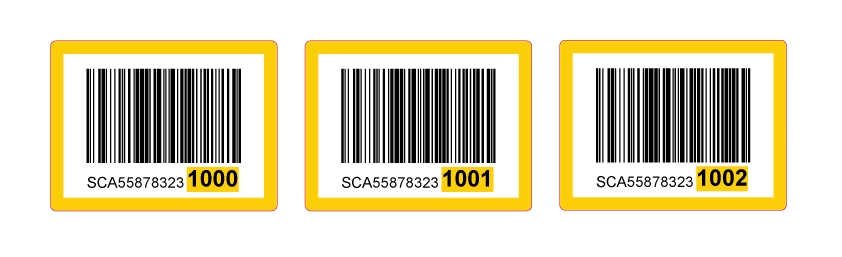
What Is Variable Data Printing?
Variable data printing is sometimes called database-driven printing, because the unique content on each label is pulled directly from a spreadsheet or database and merged into the print run automatically. Rather than printing thousands of identical labels and adding unique information afterwards — a separate, slower, error-prone step — VDP builds the variable data into the same pass as the rest of the design.
The result is a press that never has to stop. There’s no manual changeover between labels, no offline overprinting stage, and no bottleneck between “data ready” and “labels ready to use.”
How Does Variable Data Printing Work?
You supply the data. This is typically a spreadsheet or export from your database, order system, or ERP — containing whatever needs to vary label to label (serial numbers, addresses, batch codes, barcode values).
The data is mapped to the label design. The fixed elements of the label (branding, layout, static text) stay constant; the variable fields are linked to your data file.
The label is printed and the barcode verified inline. Because printing and barcode generation happen in the same pass, there’s no separate overprinting stage, and each code is checked for scan accuracy as it’s produced.
Labels are finished and dispatched. Protective varnish or lamination can be applied inline where needed, and the finished labels are shipped ready to apply — no further processing required at your end.
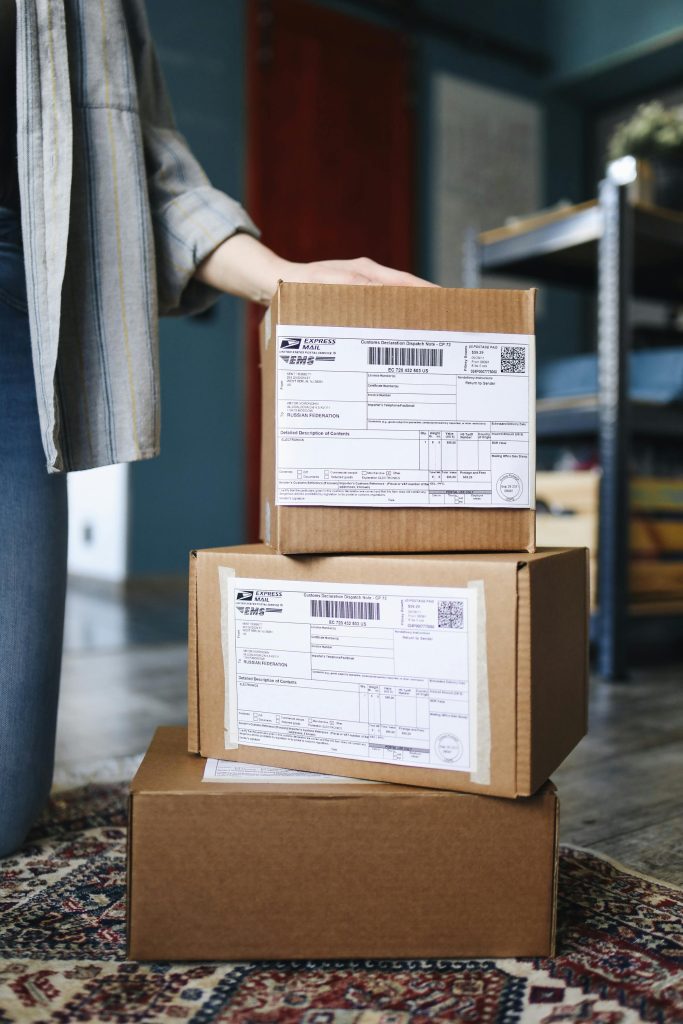
Variable Data Printing vs Static Label Printing
Static label printing produces identical labels in bulk — useful for product branding, ingredient panels, or anything that doesn’t change from unit to unit. Variable data printing is used the moment any part of the label needs to be unique: a serial number, a sequential barcode, a batch code, a name and address. The two are often combined on the same label — a fixed brand design with a variable barcode or batch code printed into it — which is exactly what inline barcode printing is designed for.
Common Applications
Variable data printing shows up in more places than most people expect:
- Sequential and unique barcodes (Code 128, Code 39, EAN, QR, Data Matrix)
- Product serialisation and batch/lot coding
- Address and shipping labels for fulfilment and subscription services
- Personalised marketing and promotional campaigns
- Asset tags and inventory tracking labels
Because the underlying data can come from a spreadsheet, database, or order management system, the same process scales from a short trial run to millions of labels a month.
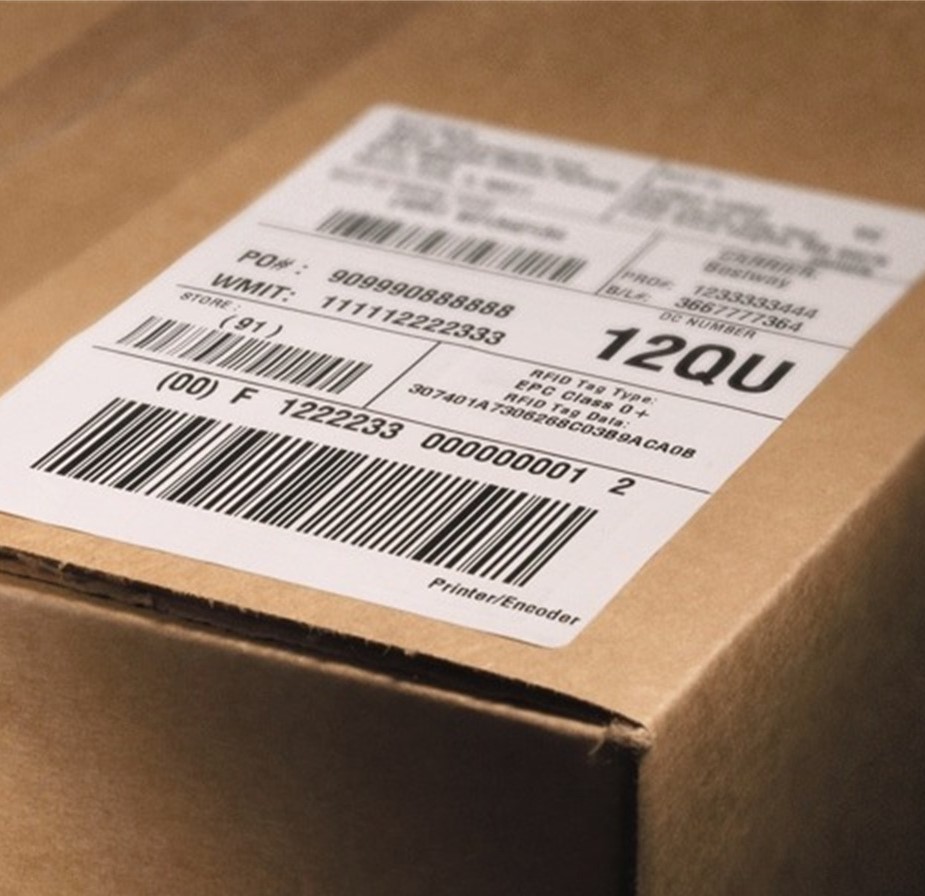
Industries That Rely on It
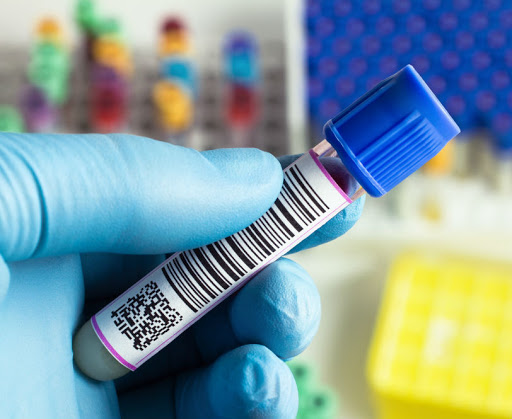
VDP is used wherever products, batches, or shipments need to be individually identified — retail distribution, food and drink production, transport and logistics, pharmaceuticals, and chemical or industrial manufacturing all depend on it daily. The common thread isn’t the sector; it’s the need for accuracy at scale without manual intervention.
Frequently Asked Questions About Variable Data
Do I need my own printer for variable data labels?
No. Scanman UK provides a complete design-and-print service — you supply the data, and we handle design, printing, barcode verification, and dispatch. There’s no equipment to buy, install, or maintain on your side.
What file format does my data need to be in?
Most jobs start from a standard spreadsheet (CSV or Excel) or an export from your order management system. If your data comes from a different source, our team can advise on the best way to prepare it before production, or we can do this for you.
What’s the difference between variable data printing and digital printing?
Digital printing refers to the printing method itself (no plates, print direct from a digital file). Variable data printing refers to what’s being printed — unique content per label. VDP is commonly run on digital or inline flexographic presses because both can change content between prints without stopping the run.
How fast can variable data label orders be turned around?
Turnaround depends on volume and complexity, but for time-critical operations — such as fulfilment and subscription dispatch — in some instances, labels can be produced and shipped within 24 hours of receiving verified data.
What barcode formats can be printed with variable data?
We support all common formats, including QR Codes, Data Matrix, Code 128, Code 39 and EAN, printed to a standard that ensures scan reliability.
Can variable data printing handle very high volumes?
Yes. Because barcode printing is integrated directly into the press process rather than added as a separate step, high-speed, high-volume runs are the setup this process is built for — recent projects have included over 32 million barcode labels produced within a two-month period.
What Sets Scanman UK Apart When It Comes To Variable Data?
A lot of the market treats variable data printing as an add-on: a bureau service bolted onto a business that primarily sells printing equipment, or an offline overprinting step tacked onto a standard label run. Scanman UK doesn’t offer variable data as a side service — barcode and variable data printing is built directly into our core production process, on the same high-speed presses that produce your everyday labels.
We print inline on high-speed, up to 6-colour flexographic presses at up to 70 metres per minute and 600dpi, meaning barcodes, serial numbers, and other variable data are applied in the same pass as the rest of the label — with protective varnish or lamination added inline where needed. Every code is verified for scan accuracy as part of production, not as an afterthought.
That capability has been tested at real scale: a recent project has seen over 32 million barcode labels produced in a two-month period, and we’ve supported a multinational subscription service and its courier partner in processing more than 150,000 parcels a month with full accuracy and rapid turnaround.
If you’re evaluating a variable data printing partner — whether for sequential barcoding, serialisation, or high-volume fulfilment labels — it’s worth understanding not just whether a supplier can do it, but how fast, how reliably, and how much of the process they actually handle for you.
Not sure if your current barcodes are performing as they should?
Our team can carry out a full Barcode Label Audit to review scan performance, durability, and compliance — and give you clear, practical recommendations to reduce errors and protect your operation.